Buyer Support
 Seller Support



Key Takeaways About Gaming Payment Gateways:
- A payment gateway is an important part of a direct monetization strategy, but it’s only one piece of the solution.
- A merchant of record like FastSpring is a much more comprehensive and turnkey solution to set up D2C monetization for your game’s web store.
- There are many great reasons to set up D2C monetization for your game, and there are easy ways to do it, either with an existing web shop or with a done-for-you optimized web shop partner like Nexus.
Setting up a web shop for players to buy subscriptions or in-game items outside of mobile app marketplaces is a great way to create additional revenue streams for your game while saving on steep marketplace fees.
But in many instances, just setting up the web shop is only part of the process — you’ll need to set up some sort of payments solution, too.
For publishers developing their own web shops — or for those using a web shop that doesn’t have an integrated or partnered gaming payment processing system — a payment gateway is an important piece of the puzzle.
But it’s only one piece of the puzzle, and you may need to set up a little more to make the system work easily and efficiently. (There are solutions that make this process much easier — more on that below.)
Below, we’ll cover:
- What a gaming payment gateway is.
- How a merchant of record like FastSpring can handle all the complexities of global payments for you, even taxes and compliance.
- How to choose a gaming payment processor, plus best practices for gaming payment processing.
- Why you need a payment solution for your web shop and where steering stands today.
- How to use FastSpring with your web shop.
- Plus, how you can get a web shop created by Nexus, with FastSpring’s payment processing and merchant of record services already integrated.
Spend less time managing your payments and compliance and more time making great games! For over two decades, FastSpring has been a trusted payment provider you can use to sell games or in-game items on your website, web store, or embedded directly into your game with fully customizable and branded checkouts just for you. FastSpring allows you to offload the complexity of global payments, sales tax and VAT compliance, player payments support, and many other aspects of payments management. To learn more about how FastSpring supports game developers, visit fastspring.gg.
What Is a Gaming Payment Gateway?
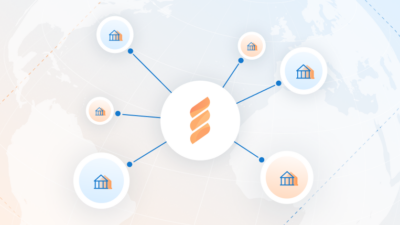
A gaming payment gateway is the technology that securely connects a game publisher’s web store to the payment processors behind it. Technically, a payment gateway functions as a secure super highway to connect businesses to payment processors, and collecting, encrypting, and transmitting any sensitive information needed for a transaction.
Gaming Payment Processors vs. Gateways: What’s the Difference?
In short, the gateway collects and secures the player’s payment details. The processor carries the transaction to the card networks and banks. Both sit alongside a merchant account in a complete payments system.
Payment Processors
Colloquially, the terms “payment gateway” and “payment processor” may get used interchangeably, but a payment processor is the piece on the back end that connects the payment gateway with the merchant’s account and card association networks. (The transaction request can then be authorized or denied by the issuing and acquiring banks.)
Merchant Accounts
The merchant account is the business-specific bank account that allows you to accept and process payments from credit and debit cards; funds are held in that account until the transaction is completed.
More Comprehensive and Turnkey Payments Solutions
Payment Services Providers
A payment services provider (PSP) is a solution that can connect businesses to all of the above-mentioned payments elements — the payment gateway, the payment processor, and the merchant account — making payments management less complex. They might enable global cross-border payments, offer local payment methods, and handle credit card processing.
However, PSPs stop short of all the tax, compliance, and other services a merchant of record (MoR) will include intrinsically.
Merchants of Record
A merchant of record like FastSpring is a comprehensive payments solution that offers not only the basics of payment service providers, but also the convenience of calculating, collecting, and even remitting taxes on your behalf, all while staying compliant with local laws and regulations, plus much more.
How Is a Merchant of Record Better Than Just a Payment Gateway?
A merchant of record is the legal entity that sells the goods or services to the customer, so the legal liabilities of staying compliant with regulations and taxes also become the concern of the MoR.
You don’t need to worry about compliance if you’re using a merchant of record — because the MoR is already handling it.
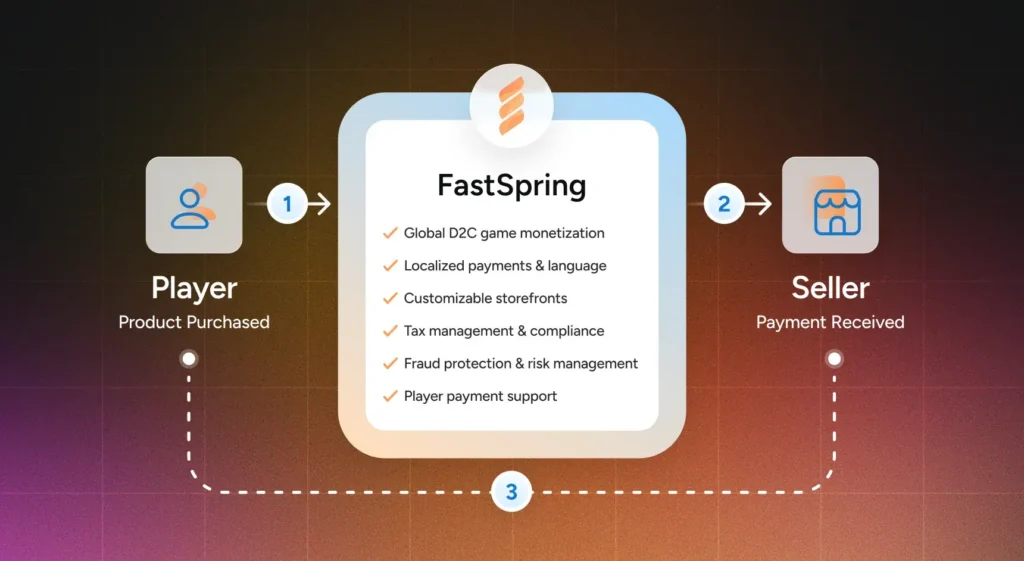
Because a payment gateway is only one of the many pieces needed to monetize your web store or mobile game, you’d need to set up many other parts (and/or vendors) to have a complete payments system. This would need to include:
- Collecting sensitive information and transmitting it securely with the payment gateway.
- Connecting to a merchant account and card networks with the payment processor.
- Having a merchant account set up in the first place.
- Dealing with compliance and taxes in any region, country, or jurisdiction where you choose to do business.
But a strong merchant of record will handle those pieces for you, and much more — including but not limited to:
- Global, cross border secure payments.
- VAT and sales tax management, from calculating to collecting to remitting.
- Regulatory compliance, such as with PCI-DSS, GDPR, CCPA, and DPF requirements (visit FastSpring’s Trust Center for more info).
- Fraud prevention.
- Regional payment processing.
- Offering regionally popular payment methods: credit/debit cards including Mastercard and Visa, other regional card payments, popular digital wallets such as Google Pay and Apple Pay, e-wallets such as PayPal and Indonesia’s OVO, and bank transfer options such as the EU’s SEPA Direct Debit. Local options like Pix in Brazil, UPI in India, and Alipay are supported too, and FastSpring recently added Cash App Pay for eligible U.S. customers of approved sellers.
- Ensuring prices can be displayed in local currencies.
- Subscription management with dunning support to help protect recurring revenue from failed payments.
- Chargeback management and other customer support.
And if you choose a gaming merchant of record — meaning, an MoR like FastSpring that invests specifically in tailoring these services for gaming companies across mobile and PC — you should also expect elite fraud protection and risk management built specifically for video games. FastSpring can apply gaming-specific fraud rules just for your games, learning high-risk behavior patterns to proactively avoid chargebacks while allowing you to dynamically flag your “whale” players and VIPs as safe.
Approval rates are a revenue lever. Every legitimate payment that gets declined is revenue you don’t collect. For games built on microtransactions, where revenue comes from a high volume of small purchases, those declines add up quickly. A provider’s processor relationships, fraud tuning, and local payment method coverage all affect how many of your players’ purchases go through. FastSpring’s two decades of processor relationships are built to support strong approval rates, and it’s worth asking any provider you evaluate how they approach approvals by region.
Want the latest on D2C trends? FastSpring’s Head of Gaming, Chip Thurston, breaks them down on the two & a half gamers podcast, and our annual State of D2C Game Monetization report with Omdia covers how studios and publishers are approaching it.
What About PSPs?
You can get a payment services provider (PSP) to handle payment gateways, payment processing, and merchant accounts, but PSPs typically won’t offer to help you with taxes and compliance. If they do, they’ll usually only offer to help with some of the pieces, and they often charge extra for those services.
For example, a PSP might be able to calculate and collect taxes as part of the sale, but they usually won’t have a solution for remitting those taxes to all the right taxing authorities.
In that case, you’ll need to handle taxes yourself or hire a service such as an accounting firm to ensure taxes are correctly filed and remitted.
A PSP’s service may initially seem cheaper than an MoR, but that’s because it doesn’t cover nearly as much in its services. And if you can add on those services to the PSP to make it more like an MoR, the price or transaction fees will increase with each piece you add. FastSpring takes a different approach, with one flat rate and no hidden fees.
If you want a comprehensive payments solution that lets you focus on building great games instead of worrying about taxes and compliance, use a merchant of record.
How to Choose a Gaming Payment Processor
The right gaming payment processor, gateway, or merchant of record depends on what you sell, where your players are, and how much of the payments work your team wants to own. These are the questions worth asking every provider you evaluate:
- Who carries the tax and compliance liability? A gateway or PSP may calculate tax. A merchant of record is responsible for collecting and remitting it.
- How does it handle approvals and fraud? Look for gaming-specific fraud rules, the ability to mark VIPs as trusted, and processor relationships that support approvals in the regions you sell to.
- Which payment methods and currencies does it cover? Players expect local payment options and prices in their own currency.
- How does it support steering? Apple and Google each set their own rules by region, so ask how the provider helps you stay compliant. (See Steer Safe™)
- How flexible is the checkout? Embedded, pop-up, or hosted, and whether it can match your game’s branding.
- What does it really cost? Compare the total, including tax, fraud, and subscription tools, not just the headline rate.
- What happens after you sign? Look for hands-on integration help and support for your players’ billing questions.
Best Practices for Gaming Payment Processing
- Show local prices and payment methods. Players convert more comfortably when checkout looks familiar.
- Apply gaming-specific fraud rules, and flag your VIPs as safe so big spenders aren’t blocked by mistake.
- Tie every purchase to the player’s account and use webhooks to grant items automatically.
- Test the full flow before launch, from the in-game tap to checkout to item delivery.
- Watch approval rates and chargebacks by region so you catch problems early.
- Don’t depend on in-game links for every purchase. Email, Discord, and creator programs can bring players back on their own. See Clever Approaches to Minimize App Store Steering Fees and Maximize D2C Profits.
Why Do You Need a Gaming Payment Solution?
As the mobile gaming industry continues to evolve, there are a couple of intertwined reasons you may need an online gaming payments option: To sell outside of mobile app marketplaces like the Apple App Store and Google Play store with a web shop, and because most web shop options aren’t going to come with built-in online payment options.
To hear more voices on “How to Actually Succeed With D2C Web Shops for Mobile Games” and “Is Using a Web Shop or Third-Party Payment Solution Worth It?,” watch our videos from Pocket Gamer Connects Helsinki. For current benchmarks, see What Percentage of Mobile Game Revenue Should Be D2C?
Why Sell Outside Mobile App Marketplaces With an Online Gaming Web Store?
Many mobile gaming businesses are leaning into the evolving monetization landscape that is the mobile app world.
A variety of cases, citations, and/or laws have been brought about in the last few years against Apple and Google, thanks to Epic Games, various U.S. Attorneys General, EU antitrust regulators, and Japan’s Cabinet. These legal and regulatory issues often include imposed changes against the mobile marketplace giants to allow game publishers to steer app users outside of the app to make purchases (such as from an online gaming web store on a game publisher’s website), and to allow embedding of alternative payment options into mobile games that wouldn’t be directly processed by the app marketplaces.
Find more mobile gaming industry news about these cases on our blog.
Where Steering Stands Today
The rules are still moving, and they differ by platform and market. Here’s where things stand as of November 2026:
- United States (Apple): A federal court ruled in April 2025 that Apple couldn’t block external purchase links or charge a commission on them. In December 2025, the Ninth Circuit largely upheld that ruling but said Apple may be able to charge a reasonable, cost-based commission, and sent that question back to the district court. In August 2026, Apple proposed a slashed 15% standard fee. Apple’s appeal is now before the U.S. Supreme Court, so the final terms for iOS link-outs are still being decided. Read our latest coverage.
- United States (Google Play): Google’s External Content Links program lets approved developers link players to purchases outside of Play. Transaction reporting is required, and fees on qualifying transactions apply beginning October 1, 2026. Here’s how to stay compliant.
- Brazil (Apple): Apple announced in June 2026 that iOS apps in Brazil can link out to a web store or use alternative payments. Linked purchases carry a 15% fee when completed within seven days of a link tap, and the in-app purchase fee drops from 30% to 26%. See the details.
- Japan: The Mobile Software Competition Act took effect in December 2025, opening up steering for mobile apps there. Read more.
Because these rules change often, check our industry news for updates, and confirm the current terms for each market with your legal team before you steer players there.
How Does Mobile Gaming Payment Processing Work With a Web Shop?
If you’re just getting started with a web shop for your mobile games, subscriptions, and/or in-game items and currencies, you may not know what your payment options are, or that you’ll need a payment solution like a gaming payment gateway or gaming merchant of record.
Whether you build a web shop in house or hire an agency to build something bespoke (more on that below), you’ll likely need a gaming payment processing option to use with the web shop.
The web shop will showcase your offerings and help you manage products, while the payments service will facilitate online payments so your players can actually make purchases.
Those purchases can be tied to each player’s account and appear automatically back in the mobile gaming platform, creating a seamless and easy gaming experience for your players while netting them a better deal on their purchases, just for buying through your web shop.
Using FastSpring With Your Video Game, Mobile Game, and/or Web Shop
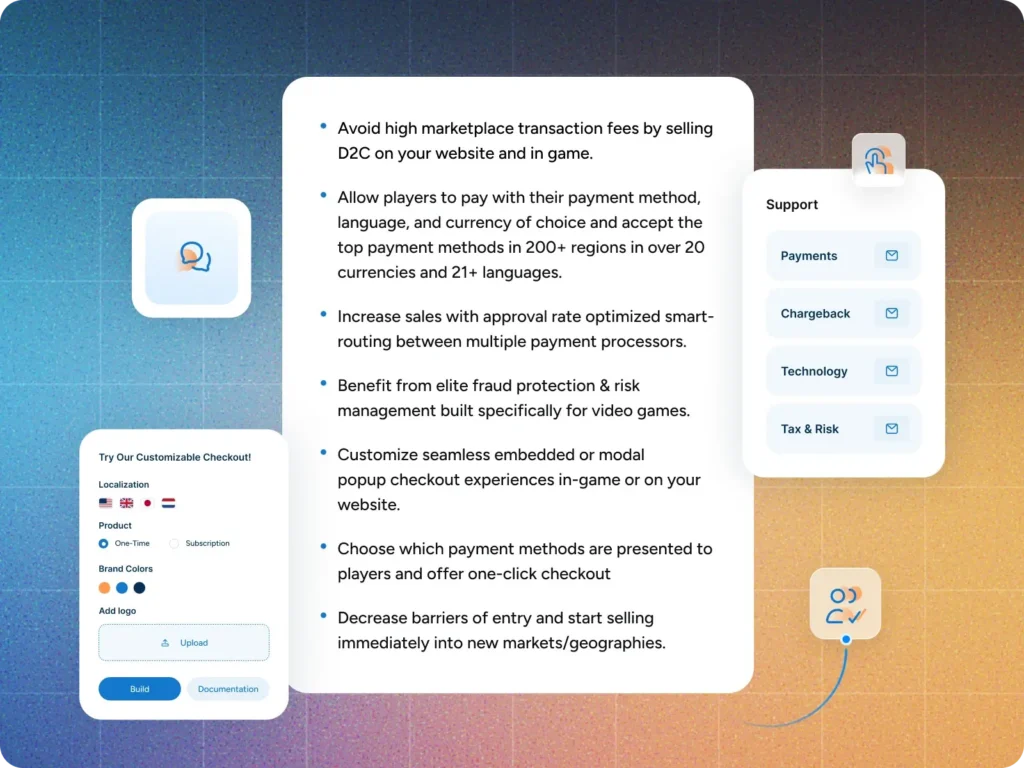
Steering without the guesswork. FastSpring’s Steer Safe™ approach sends players from your game to a secure, localized web checkout and back to the game. Our Google External Content Links walkthrough shows how to stay compliant on Google Play.
Setting Up a Payments Solution With an Existing Web Shop
You’ll need a way to use your payment solution with your web shop or mobile game, and the technical details will vary depending on the type of payment solution you opt for. But generally, you’ll need an online store or payment processing service you can integrate with your website using an API, webhooks, JavaScript, or other integration elements.
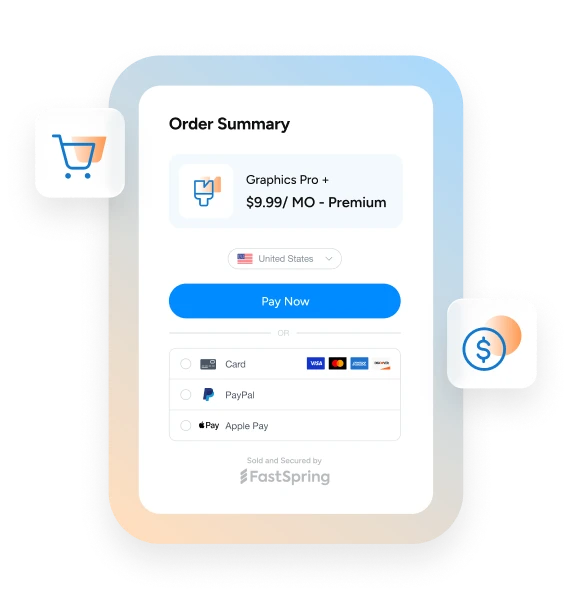
FastSpring offers three kinds of flexible checkout options: an embedded checkout (in your web shop, mobile game, or desktop game), a pop-up checkout, or a FastSpring-hosted web page that players are taken to to complete the purchase. These diverse checkout and store options allow FastSpring to support game publishers across many different types of custom web shop architectures.
With FastSpring, you can schedule time with one of our solutions consultants to learn more about our platform and what it can do for your gaming business, and they can assist you with setting up products and tax codes, or you can get started yourself.
From there, you can choose your type of checkout and set it up, then configure webhooks to grant in-game access to players’ purchased items. Then it’s just a matter of confirming your store settings and testing the store before pushing it live. For more detailed information, check out our guide on How to Implement Direct to Consumer Sales for Video Games With FastSpring, or visit our Documentation.
Setting Up a Web Shop and a Gaming Payment Processing Solution All at Once
Not sure how to set up your own web shop? Don’t want to use internal dev resources to build something custom? Wish you could streamline getting a custom web shop plus reliable payment processing and compliance all at once?
Nexus, a leading web shop platform for supporting content creators and monetizing games, has joined forces with FastSpring to provide done-for-you player optimized web shops backed by FastSpring’s 20 years of experience in global D2C payments and compliance.
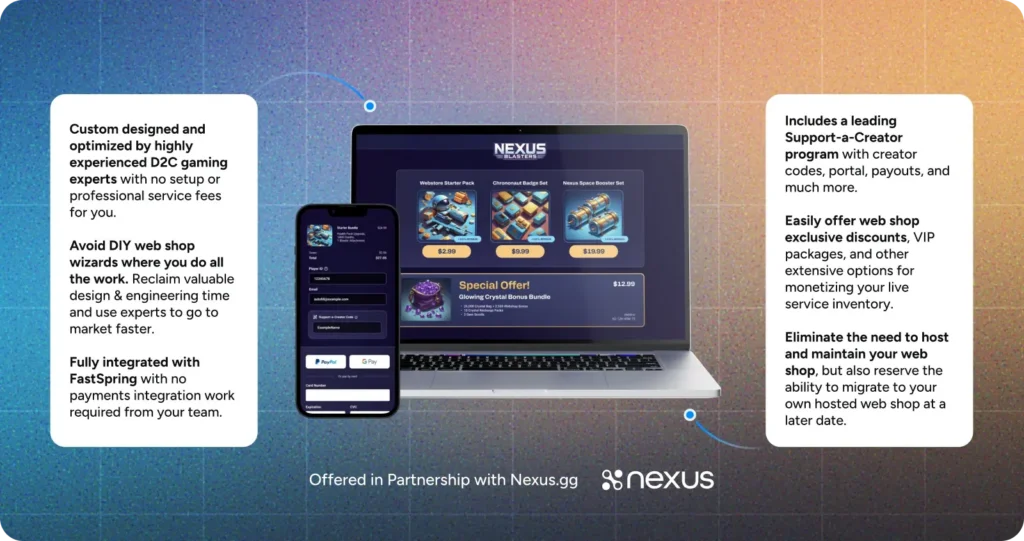
This means you can get a custom designed web shop optimized specifically for your players by a team of D2C gaming ecommerce and marketing experts, and FastSpring’s global localized payments and compliance platform can come pre-integrated right in your web shop. FastSpring checkouts also support creator codes through Nexus, so you can run a creator program on your web shop. Here’s how it works.
FAQs About Gaming Payment Gateways
A gaming payment gateway is the technology that securely collects and transmits a player’s payment details from your web store to the payment processor so a purchase can be authorized. It’s one piece of a full payments setup, alongside the payment processor and a merchant account.
The gateway collects and encrypts the player’s payment information. The processor connects the gateway to the merchant account and card networks, where the issuing and acquiring banks authorize or decline the transaction.
Not technically. Without one, though, you’re responsible for sales tax and VAT, regulatory compliance, fraud prevention, and chargebacks in every market you sell into. A merchant of record like FastSpring takes that on as the legal seller.
Compare who carries tax and compliance liability, how the provider handles approvals and gaming-specific fraud, which local payment methods and currencies it covers, how it supports steering, how flexible the checkout is, and what it costs in total.
It depends on the platform and the market. As of October 2026, Apple allows link-outs in Brazil, Google Play’s External Content Links program covers the U.S., and Apple’s U.S. terms are still being decided in court. Japan and the EU also have their own rules.
The ones your players actually use in each region: cards, digital wallets like Apple Pay and Google Pay, and local methods such as Pix in Brazil, UPI in India, SEPA Direct Debit in the EU, and Cash App Pay in the U.S. FastSpring automatically selects region-specific payment methods and currencies to display at checkout.
Get FastSpring as Your Gaming Merchant of Record
For over two decades, FastSpring has been a trusted payment provider you can use to sell games or in-game items on your website, web shop, or embedded directly into your game with fully customizable and branded checkouts just for you.
FastSpring allows you to offload the complexity of global payments, sales tax and VAT compliance, player payments support, and many other aspects of payments management.
Choose A Partner You Can Trust With Your Players™. Spend less time managing your payments and compliance and more time making great games!
To learn more about how FastSpring supports game developers, visit fastspring.gg.
This post was originally published in Dec. 2024 and has been updated.